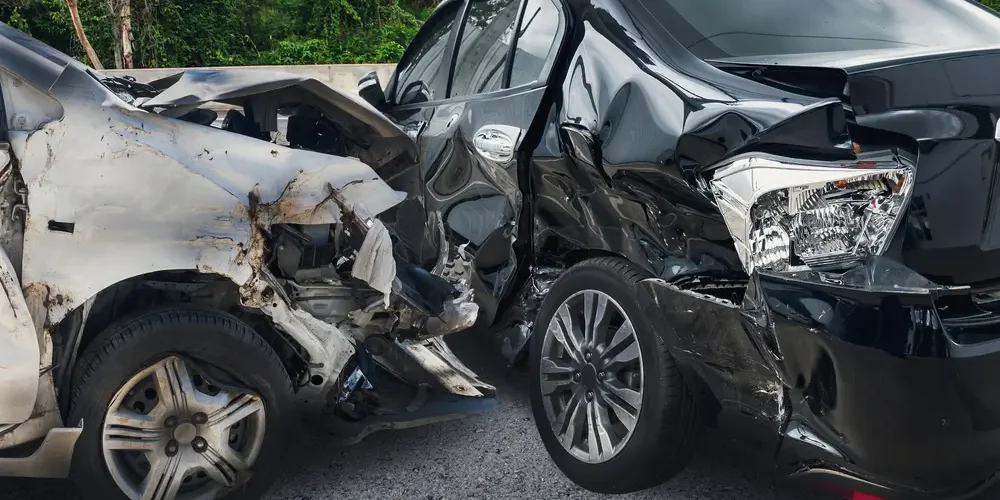
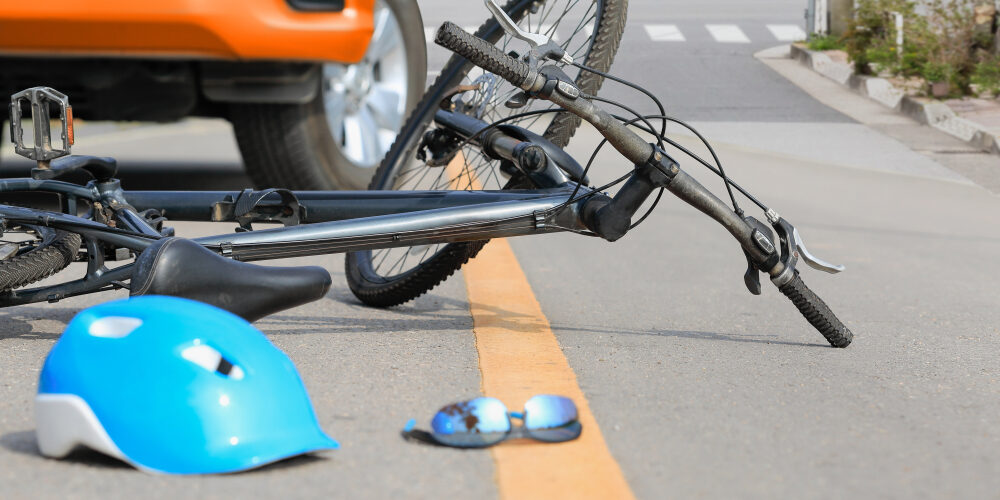
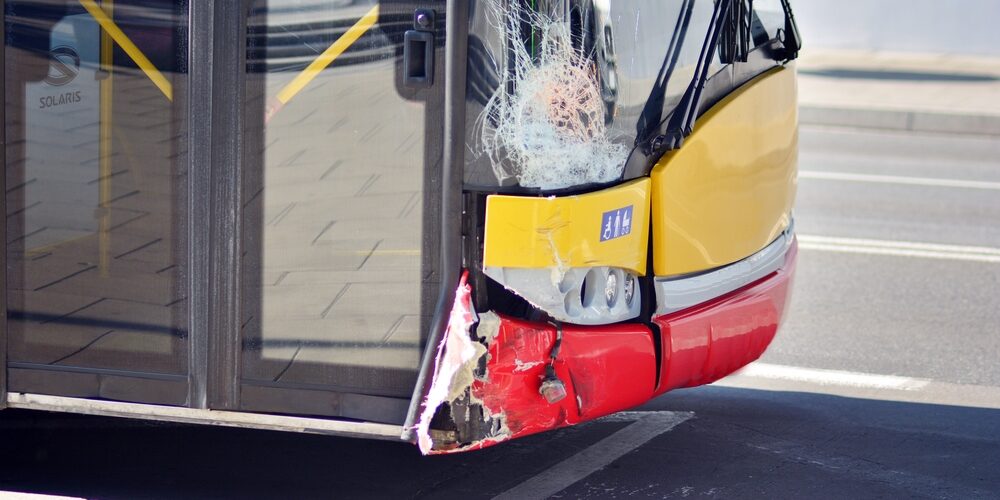
Most discussions about motor vehicle accidents focus on personal injury claims. However, many crashes result in vehicle damage only, without any physical injuries. These situations can still create stress, particularly where insurance is not involved or where the cost of repairs is significant.
Over the years, I have been asked many times for guidance on these types of disputes. Personal injury lawyers often decline them unless an injury is involved, leaving drivers unsure where to turn for advice.
If you have recently been involved in a collision in Western Australia, it is important to follow the correct steps at the scene. Our guide on what you should do after a car accident explains the key actions that can help protect your position later.
Key Points to Understand
If your vehicle is damaged in an accident but no one is injured:
- The at-fault driver is usually responsible for repair costs
- Evidence gathered at the scene is critical
- You are only liable for damage caused by the accident
- Repair invoices must be reasonable
- Payment arrangements may be possible if you are uninsured
If the accident also resulted in injury, the process is different. You can read more about motor vehicle accident injury claims in Western Australia and how those claims work.
In practice, most vehicle damage disputes fall into one of two situations:
- You are not at fault but do not have insurance and need to recover your repair costs from the other driver.
- You are at fault and uninsured, and the other driver or their insurer is seeking to recover the repair costs from you.
Both situations can be managed with the right information and evidence.
Scenario 1: You Are Not at Fault and Do Not Have Insurance
One of the most frustrating situations arises when another driver causes an accident, but you do not have comprehensive insurance.
Without an insurer handling the claim on your behalf, you may need to recover the repair costs directly from the driver responsible for the accident.
In these circumstances, the most important step is to gather evidence at the scene.
This evidence will help establish both liability and the extent of the damage. Our article on what records and documents help support accident claims explains why collecting information immediately after the crash can be critical.
Useful evidence includes:
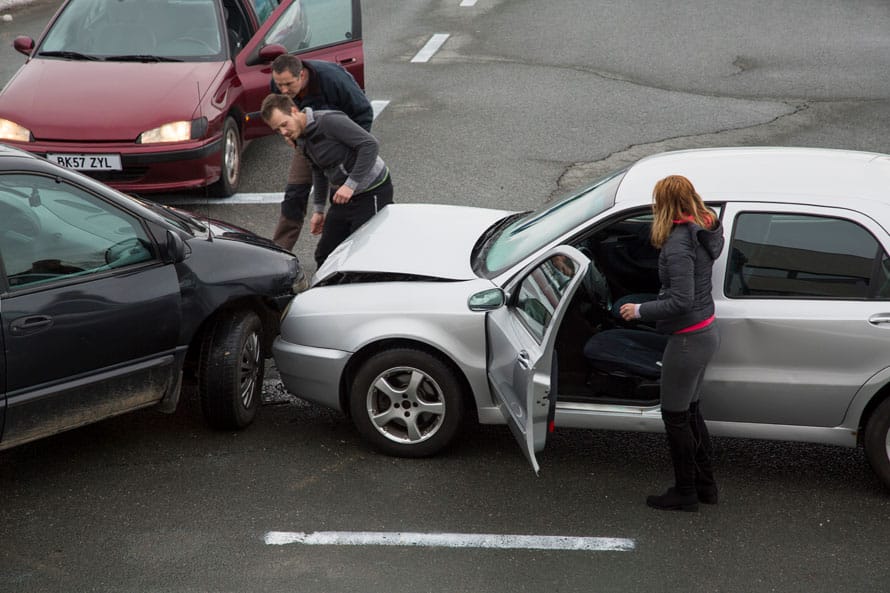
- Photos of both vehicles at the scene
- Registration numbers and driver details
- Photos of the location and road layout
- Visible debris from the collision
- Paint transfer or scuff marks between vehicles
- Contact details for any witnesses
This information forms the foundation of a repair claim.
If the other driver was responsible for the collision, you may also be able to recover additional costs associated with the accident. These may include:
- The cost of repairing your vehicle
- Towing charges
- Storage fees
- Hire car costs while your vehicle is being repaired
- Loss of use of your vehicle while it is unroadworthy
If you are unsure what costs may be recoverable, our guide on what costs and expenses can be recovered after an accident provides a useful overview.
Without insurance, the process can feel complicated. However, with proper documentation it is often possible to pursue these costs directly.
Scenario 2: You Were At Fault and Do Not Have Insurance
The second common scenario occurs when you were responsible for the accident but do not have insurance, and the other driver (or their insurer) is seeking to recover the repair costs from you.
Depending on the vehicles involved, the repair bill can sometimes be significant.
Before accepting liability for the full amount, several issues should be carefully examined.
Issue 1: Was the Other Driver Entirely Free from Fault?
Many people assume responsibility for a crash is always clear. In reality, some accidents involve shared responsibility.
For example:
- Collisions in car parks where road markings are unclear
- Situations where both vehicles were reversing
- Poor visibility or obstructed intersections
- Confusion about right of way
In these cases, both drivers may bear some responsibility.
If there is evidence that the other driver contributed to the accident, you may only be liable for a proportion of the repair costs rather than the entire claim.
Understanding how liability works in accident claims can be helpful. Our guide on understanding car accident compensation explains some of the principles used when assessing responsibility after a crash.
Liability is not always an “all or nothing” question.
Issue 2: Was All the Damage Caused by the Accident?
Another key question is whether the damage claimed was actually caused by the collision.
Vehicles often have pre-existing damage, particularly to bumpers and body panels. It is not uncommon for older damage to remain unrepaired.
You are not responsible for repairing damage that existed before the accident.
This is why photographs taken at the scene can be extremely important.
They can help identify:
- Paint transfer between vehicles
- Scuff marks consistent with the impact
- The location and pattern of the damage
- Debris from the collision
I have seen cases where damage being claimed could not possibly have been caused by the accident in question.
For example, puncture-type damage to bumpers or panels that clearly pre-dated the crash.
Without photographs taken at the scene, these details can be difficult to prove once the vehicles have been removed.
In short, you are only responsible for legitimate damage caused by the collision.
Issue 3: Is the Repair Invoice Reasonable?
Even when the damage is legitimate, the amount claimed must still be reasonable.
Repair invoices are often prepared by the insurer’s preferred repairer, but that does not automatically mean the amount is correct.
Questions sometimes arise about:
- The number of labour hours allocated to the repair
- Whether parts should be repaired rather than replaced
- Whether additional components have been included unnecessarily
- Hire car costs arising from repair delays
If the claim is modest, it may not be worth challenging the invoice beyond discussing it with the insurer.
In many cases, insurers are open to negotiation if there is something obviously questionable about the repair cost.
They generally prefer to resolve matters quickly rather than pursue disputes.
When Repair Claims Become Large
Where repair costs are substantial, sometimes reaching tens of thousands of dollars, a closer review of the invoice can be worthwhile.
Just as businesses charge different rates for the same work, repairers may quote different amounts for the same repair job.
Obtaining one or two comparable repair quotes can provide a useful benchmark.
Courts often expect claimants to take reasonable steps to limit their losses. This means selecting a repair option that is reasonably priced where comparable work is available.
In larger disputes, it may also be helpful to obtain an opinion from a consulting vehicle engineer.
A specialist can review the repair invoice, assessor’s report, and photographs to determine whether the proposed repairs are reasonable.
Issues sometimes arise regarding:
- Labour time allocated to the repair
- Whether parts should be repaired or replaced
- Delays caused by supply chain issues
For example, during the COVID period many repair jobs were delayed for months while parts arrived from overseas. Situations like this can sometimes affect associated costs such as hire vehicles.
What Happens Once the Repair Cost Is Agreed?
Once a reasonable figure has been established for the repair costs, the next question is how the amount will be paid.
If you are able to pay the amount in full, doing so will usually resolve the matter quickly.
However, if you cannot afford to pay the full amount immediately, it may be possible to negotiate payment by instalments.
Many insurers are willing to consider repayment arrangements, particularly where the proposal is reasonable and supported by evidence of your financial circumstances.
In some cases, they may request details of:
- Income and expenses
- Savings or assets
- Existing financial commitments
If negotiations fail, the insurer may commence legal proceedings to recover the debt. However, this is often a last resort.
Most insurers prefer to avoid the time and cost of court proceedings where a sensible agreement can be reached.
When Legal Advice May Be Worthwhile
In smaller claims, engaging a lawyer may not always be cost-effective. Legal fees can sometimes exceed the value of the dispute.
However, in larger or disputed claims, professional advice may help you reach a better outcome.
A lawyer may assist by:
- Reviewing liability for the accident
- Examining repair invoices and assessor reports
- Identifying unreasonable charges
- Negotiating with insurers
- Advising on settlement or repayment options
If you are unsure whether legal advice is appropriate, our article on how to find a suitable car accident lawyer outlines some of the factors to consider.
The key question is whether obtaining advice is likely to leave you financially better off overall than accepting the initial demand.
Getting Advice on Vehicle Damage Only Claims
Vehicle damage disputes can become complex, particularly where insurance is not involved or where large repair costs are claimed.
If you are dealing with a dispute about accident repair costs, it may be helpful to understand your options before responding to the other driver or their insurer.
You can read more about your options here: Damage-only Motor Vehicle Accident Claims.
This page explains how these claims work and what steps may be available depending on your situation.
Frequently Asked Questions About Vehicle Damage Only Claims
In most cases, the driver responsible for the accident is legally required to pay for the damage caused to the other vehicle.
If the responsible driver has insurance, their insurer usually handles the repair costs. If they are uninsured, they may be required to pay the repair costs personally.
If neither driver has insurance, the drivers must resolve the dispute directly. The driver responsible for the accident is generally required to pay the repair costs and any reasonable related expenses.
Yes. Repair invoices must be reasonable and related to damage caused by the accident. If the invoice includes unnecessary work or inflated costs, it may be possible to challenge it or obtain independent repair quotes.
Not usually. If liability is accepted but payment cannot be made immediately, insurers will often consider reasonable instalment arrangements before taking legal action.
Found this article useful? Use the links below to share or send
Have you been injured in a Motor Vehicle Accident? Request a free initial consultation via the form below.
"*" indicates required fields